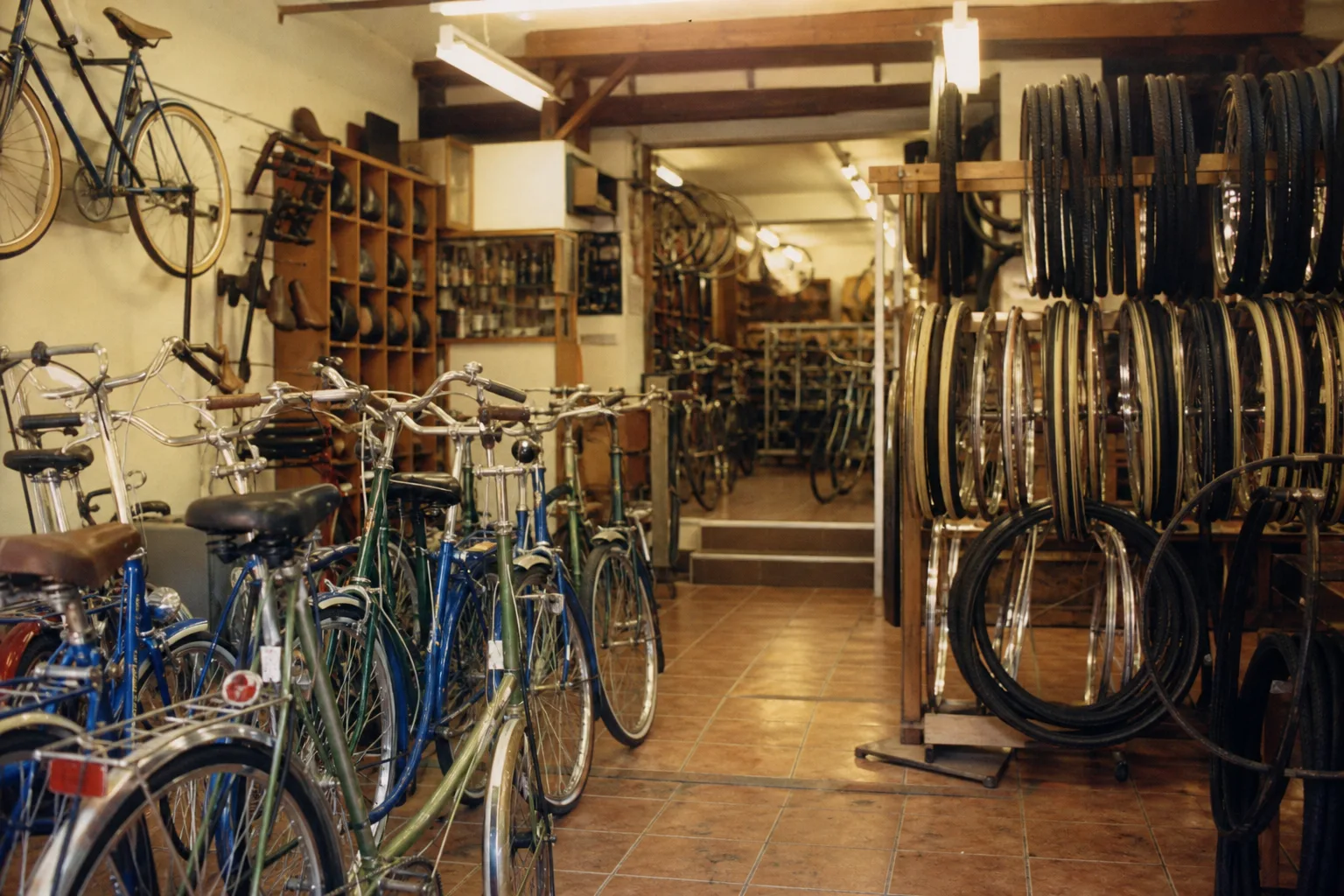
A bicycle described as comfortable is usually being described in three ways at once, and the three have almost nothing to do with each other. One is posture: how far forward the rider's torso leans and how much weight lands on the hands. The second is vibration: how much of a seam, a patched crosswalk or a gravel shoulder arrives at the palms and the sit bones. The third is getting on and off: whether a leg has to clear a top tube at hip height, and whether both feet reach the ground at a stop. A bike can solve one of these and leave the other two untouched, and most do.
Why the three get bundled, and what that hides
Bundling happens because the fixes tend to arrive together on the same models. A frame with a low or dropped top tube is generally sold with a swept-back handlebar, a wide saddle and tires in the 38 to 50 millimeter range, so a rider who wanted only the low step-through gets all four whether the rest suited them or not. That is convenient shopping and poor diagnosis. Two of the bikes ridden for this site went back because they answered a question that was never asked, and answered it by adding weight, length and a turning circle that no longer fit a driveway.
The cost of the bundle is rarely the sticker. It is the eight or nine pounds of extra frame and tire that make a bike unpleasant to carry up three steps, the long wheelbase that will not turn around in a bike room, the upright position that catches wind on a bridge, or the balloon tires that feel dead on smooth asphalt. Each of those is a fair trade if it buys something needed. None of them is fair if the actual complaint was numb hands after four miles, which a handlebar and a pair of grips can usually settle for a fraction of the money.
Working out which one is missing
The complaint usually names itself if the trip is described rather than the bicycle. Hands going numb, a sore neck, or a persistent need to shift weight off the wrists points at posture, and posture is set by bar height relative to the saddle and by how far the bars sit ahead of the hips. A ride that leaves the hands stinging and the lower back jarred after crossing rough pavement points at vibration, which is mostly tire volume and pressure. Difficulty swinging a leg over, or a wobble at every stop sign because only a toe reaches, points at frame shape and standover, and nothing else on the bike will fix it.
Short, frequent trips make the sorting easier, because a two-mile errand does not last long enough for aerobic effort to mask anything. Whatever hurts on a twelve-minute ride to the hardware store is a fit or contact-point problem, not a fitness problem. Riders who use a bike for a mile at a time, several times a day, typically find that mounting and dismounting is the thing they do most and the thing that decides whether the bike gets used. That is the case where the step-through frame earns its keep on its own, independent of tires or posture.
What each fix actually costs
Posture is the cheapest of the three to change on a bike already owned. A taller stem, a riser bar or a swept bar, and grips that support the heel of the hand, are parts-and-labor money at a shop rather than a new purchase, and the change can be undone. Vibration is next: wider tires cost tire money, though the frame and fork have to have clearance for them, and a rim brake caliper can cap the width before the frame does. Mounting is the expensive one, because standover height is welded in. Wanting a lower step-through means buying a different bicycle, and that is the decision worth being slow about.
Categories still help as a starting filter, and a category page for a Comfort Bike is a reasonable place to see how the three features get grouped and priced together. What it cannot tell anyone is which of the three they are short of. Worth noting too that the baseline safety requirements for bicycles sold in the United States, covering brakes, reflectors and assembly, fall under the Consumer Product Safety Commission, so those elements are not what separates one model from another. Ride quality is.
What gets ridden here, and how
Everything on this site comes from riding a handful of upright bikes on the same errands, over the same eight or nine blocks of broken asphalt, with the same load in the basket, and returning the ones that did not hold up to daily use. The measurements that get recorded are standover height, handlebar height relative to the saddle, reach, tire width as fitted and as the frame allows, weight as delivered, and turning circle. The subjective notes stay attached to a trip: the ride to the pharmacy, the ride home with a full pannier, the ride in the rain.
None of it is a recommendation, and none of it should be read as one. It is one rider's account of which of the three problems each bike solved, which it ignored, and what the solving cost in weight, money and maneuverability. Sorting the three apart first is what makes the rest of it useful, because a rider who knows they need standover and not tire volume can walk past four-fifths of the market and spend their attention on the part that matters.